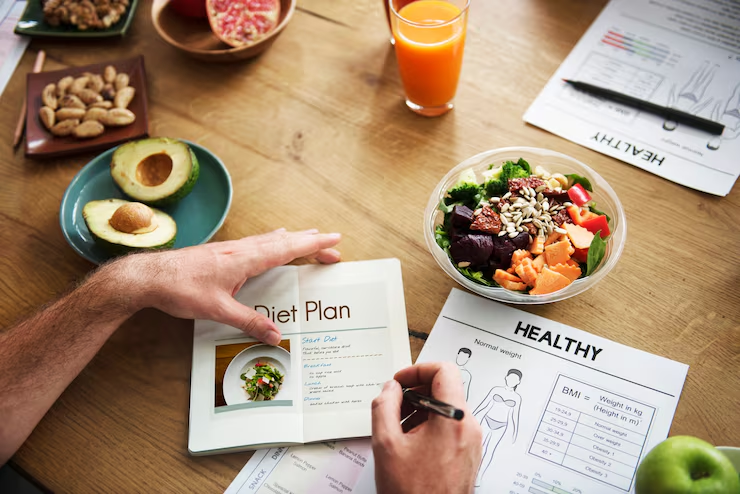
Whether it originates from a well-meaning parent, a concerned partner, or a public health campaign, nagging about food is a universal experience. We have all heard the persistent reminders: “Finish your broccoli,” “Are you really going to eat that second slice of pizza?”, or “You need to cut out carbs.”
Despite good intentions, behavioral psychology and clinical nutrition research reveal a counterintuitive truth: nagging, guilt-tripping, and food-policing almost never produce long-term healthy habits. In fact, nagging often achieves the exact opposite result.
Instead of inspiring a love for nutrient-dense foods, coercive pressure triggers psychological resistance, deepens food guilt, and impairs the internal hunger signals essential for lifelong weight regulation.
Understanding why high-pressure tactics fail—and adopting evidence-based behavioral strategies—allows us to build a sustainable, enjoyable relationship with food without conflict.
Complete SEO & Search Keywords Overview
For health coaches, parents, clinicians, and individuals seeking behavioral change, this article incorporates primary search terms and psychological concepts:
- Primary SEO Keywords: nagging to eat healthy doesn’t work, psychological reactance food, how to encourage healthy eating without nagging, self-determination theory nutrition, constructive behavioral change diet.
- Secondary SEO Keywords: food policing consequences, intrinsic motivation healthy eating, intuitive eating cues, guilt-free nutrition, positive food environment.
The Psychology of Resistance: Why Nagging Fails
Why does persistent pressure to eat better fail so consistently? The answer lies in human neurobiology and psychological motivation.
[ External Pressure / Nagging ]
│
▼
[ Threat to Autonomy & Control ]
│
┌─────────────────────────┴─────────────────────────┐
▼ ▼
[ Psychological Reactance ] [ Extrinsic Shame & Guilt ]
• Rebellion against restriction • Secretive / emotional eating
• Increased craving for “forbidden” foods • Disconnection from natural satiety
1. Psychological Reactance (The “Forbidden Fruit” Effect)
Coined by psychologist Jack Brehm, Psychological Reactance Theory explains that when individuals feel their freedom of choice is threatened or restricted, they experience an unpleasant state of resistance.
When someone is nagged about their food choices, their brain perceives the commentary as a threat to their autonomy. To reclaim control, the individual often doubles down on the forbidden behavior—eating the ultra-processed snack or rejecting the salad—not necessarily out of physiological hunger, but to assert independence.
2. Extrinsic vs. Intrinsic Motivation
According to Self-Determination Theory (SDT), long-term behavior change relies on three core psychological needs: autonomy, competence, and relatedness.
- Extrinsic Motivation (Nagging, Guilt, Fear): Produces short-term compliance driven by shame. Once the external nagging stops or emotional fatigue sets in, the healthy behavior vanishes.
- Intrinsic Motivation (Joy, Vitality, Autonomy): Occurs when someone eats nutrient-dense foods because those choices improve their energy, digestion, or mood. Intrinsic motivation builds lasting habits.
Clinical Impact: Nagging vs. Autonomy-Supportive Environments
| Communication Approach | Psychological Trigger | Long-Term Health Impact |
| Nagging / Food Policing | Threat to autonomy, shame, external pressure. | Secretive bingeing, emotional overeating, mealtime stress. |
| Labeling Foods “Good” vs. “Bad” | Moral categorization of eating habits. | Elevated anxiety around food, loss of satiety cues. |
| Autonomy-Supportive Coaching | Sense of choice, intrinsic motivation, competence. | Sustainable dietary quality, improved metabolic markers. |
| Modeling & Environmental Nudges | Subconscious social learning, effortless choices. | Increased daily fruit and vegetable intake across households. |
Scientific Tips: Behavioral Nudges That Actually Work
If nagging doesn’t work, how can we inspire partners, children, or ourselves to adopt better nutrition? Modern behavioral economics and nutritional psychology recommend shifting from coercion to choice architecture.
[ Shift from Coercion to Choice Architecture ]
│
┌────────────────────────────┼────────────────────────────┐
▼ ▼ ▼
[ Optimize Convenience ] [ Model the Behavior ] [ Add, Don’t Subtract ]
Make whole foods readily Eat whole foods openly Focus on adding fiber/
accessible and prepared without preaching protein before cutting
1. Leverage Choice Architecture (Nudging)
Make the healthy choice the easiest, most visually appealing option:
- Pre-cut fresh produce: Keep sliced bell peppers, berries, and cucumbers at eye level in the refrigerator rather than hidden in bottom crisper drawers.
- Keep fruits visible: Place a bowl of fresh fruit on the kitchen counter while storing ultra-processed snacks out of plain sight.
2. Focus on Crowding Out (Addition, Not Subtraction)
Rather than telling someone what they cannot eat—which triggers restriction anxiety—focus on adding nutrient-dense items:
- Instead of saying “Stop eating chips,” suggest “Let’s add a handful of walnuts and an apple to this snack for extra crunch and energy.”
- Adding protein, healthy fats, and dietary fiber naturally increases satiety, reducing cravings for refined foods without requiring force.
3. Practice Unconditional Modeling
Research consistently shows that adults and children imitate observed eating behaviors far more than verbal instructions.
- Prepare and enjoy colorful, flavorful meals without making speeches about their health benefits.
- Displaying genuine enjoyment of wholesome food creates a positive social norm that others naturally gravitate toward over time.
Healthy Tips: Cultivating Personal Autonomy and Intuitive Satiety
For individuals working to break free from internal or external nagging, regaining control over your dietary choices involves reconnecting with physiological signals.
1. Ditch Moral Food Labels
Food carries nutritional value, but it does not carry moral value.
- Avoid labeling yourself “good” for eating a salad or “bad” for enjoying dessert.
- Viewing food neutrally eliminates the rebellion cycle, allowing you to choose foods based on how they actually make your body feel.
2. Check In with Your Hunger Signals
Before eating, pause and evaluate your physical cues:
- Ask yourself: “Am I experiencing true stomach hunger, or am I responding to stress, boredom, or environmental cues?”
- Eat meals slowly and without screen distractions to allow gut-brain satiety peptides (such as CCK and PYY) time to register fullness.
3. Connect Food Choices to Immediate Vitality
Long-term health goals (like preventing disease decades away) can feel abstract. Instead, link nutritious choices to immediate benefits:
- Notice how a balanced meal rich in complex carbohydrates and lean protein stabilizes your afternoon focus and energy, compared to the crash following a high-sugar meal.
Building Lasting Health Through Autonomy
Sustainable health changes cannot be forced through nagging or criticism. By respecting autonomy, fostering positive food environments, and focusing on intrinsic vitality, we create spaces where healthy eating becomes a natural, satisfying lifestyle choice rather than a chore.To see a practical scientific perspective on how dietary quality correlates with psychological health and daily well-being, check out this study finding correlation between diet and mental health. This video is directly relevant because it highlights how food impacts well-being through intrinsic benefits rather than external pressure.