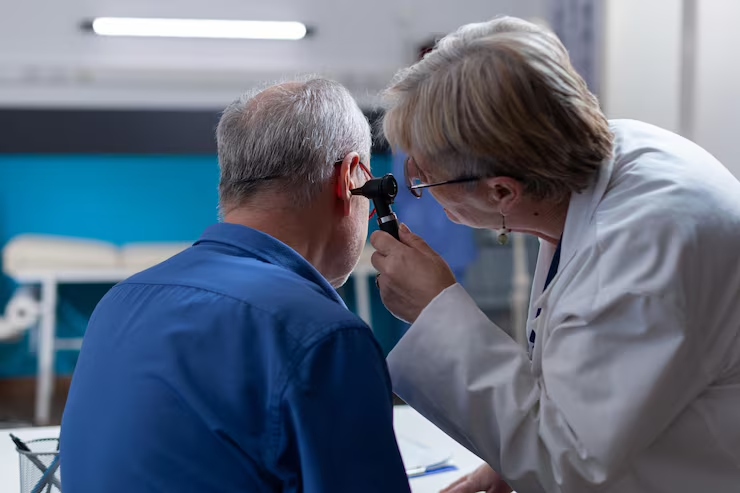
Sensorineural hearing loss (SNHL) is one of the most prevalent sensory deficits worldwide, affecting hundreds of millions of individuals across all age groups. Caused by structural or functional impairment of the inner ear’s delicate hair cells, the auditory nerve, or central auditory processing pathways, SNHL presents a profound biological and clinical challenge. While genetic mutations account for more than 50% of congenital and early-onset SNHL cases—and play a major role in age-related hearing loss (presbycusis)—predicting who will develop hearing impairment and how severely it will progress has historically yielded mixed results.
The key to unlocking accurate genomic diagnostics lies in a fundamental paradigm shift: moving beyond broad, binary disease classifications toward precise phenotyping. By meticulously categorizing the specific clinical, physiological, and anatomical nuances of hearing loss, researchers and clinicians can significantly enhance the accuracy of genetic prediction models, driving the next generation of personalized otology and targeted therapeutics.
Complete SEO & Search Keywords Overview
For clinical geneticists, audiologists, otolaryngology researchers, and individuals exploring auditory health, this article incorporates key search terms and scientific concepts:
- Primary SEO Keywords: precise phenotyping sensorineural hearing loss, genetic prediction SNHL, audiometric profiling hearing loss, variant pathogenicity otology, polygenic risk scores SNHL.
- Secondary SEO Keywords: inner ear hair cell degeneration, GJB2 connexin 26 mutations, audiogram shape phenotyping, noise-induced hearing loss prevention, hair cell protection tips.
The Biological Bottleneck: Why Standard Diagnostics Fall Short
For decades, clinical genetics categorized hearing loss using broad labels such as “mild,” “moderate,” or “severe” SNHL, or simply distinguished between non-syndromic (isolated hearing loss) and syndromic cases (hearing loss accompanied by other clinical features). However, these high-level classifications conceal immense biological complexity.
[ Gross Clinical Diagnosis: “Sensorineural Hearing Loss” ]
│
┌──────────────────────────────────────┼──────────────────────────────────────┐
▼ ▼ ▼
[ Cochlear/Sensory Loss ] [ Neural/Retrocochlear Loss ] [ Synaptic Loss (Synaptopathy) ]
• Damage to outer/inner • Auditory nerve axonal degeneration • Loss of ribbon synapses between
hair cells in organ of Corti hair cells and spiral ganglion
SNHL is genetically heterogeneous: mutations in more than 100 different genes can cause non-syndromic hearing loss alone. When genetic testing is applied to coarse clinical data, variant interpretation frequently hits a wall, producing an abundance of Variants of Uncertain Significance (VUS).
What is Precise Phenotyping in Otology?
Precise phenotyping involves capturing high-resolution, multi-dimensional biological data regarding an individual’s specific manifestation of hearing loss. Rather than relying solely on a single pure-tone average (PTA) score, precise phenotyping integrates:
- High-Frequency Audiometric Profiles: Analyzing the specific shape of the audiogram (e.g., steep sloping, flat, U-shaped/cookie-bite, or low-frequency rising curves).
- Auditory Brainstem Response (ABR) & Otoacoustic Emissions (OAEs): Differentiating outer hair cell dysfunction (measured via distortion product OAEs) from neural conduction deficits along the 8th cranial nerve.
- Electrocochleography (ECochG): Quantifying synaptic integrity and endolymphatic fluid dynamics within the cochlea.
- Advanced Inner Ear Imaging: Utilizing high-resolution MRI and CT scans to detect subtle structural anomalies, such as enlarged vestibular aqueducts (EVA) or cochlear incomplete partition types.
[ High-Dimensional Phenotypic Input ]
(Audiogram Slope + OAE Waveforms + ABR Latencies + High-Res Inner Ear MRI)
│
▼
[ Granular Phenotype-Genotype Mapping ]
│
▼
[ Improved Pathogenicity Classification of Variants ]
│
▼
[ High-Precision Genetic Risk & Prognostic Scores ]
The Scientific Synergy: How Phenotyping Refines Genetic Prediction
When precise phenotyping data is integrated with genomic sequencing (such as Whole Exome Sequencing or Whole Genome Sequencing), the accuracy of genetic prediction models improves across several critical domains:
1. Resolving Variants of Uncertain Significance (VUS)
A specific gene mutation—for example, in GJB2 (encoding Connexin 26), SLC26A4, or MYO7A—may exhibit variable expressivity. By mapping specific missense mutations against fine-grained audiometric curves (such as a characteristic high-frequency slope), computational algorithms can reclassify ambiguous VUS variants into definitively pathogenic or benign categories with higher statistical confidence.
2. Enhancing Polygenic Risk Scores (PRS) for Presbycusis
Age-related hearing loss is rarely caused by a single monogenic mutation; instead, it results from the cumulative effect of thousands of small-effect genetic variants interacting with environmental stressors. When polygenic risk scores are trained on precisely phenotyped cohorts—separating sensory presbycusis from strial/metabolic presbycusis—their predictive power increases dramatically, allowing early identification of individuals at high risk for late-onset decline.
3. Stratifying Patients for Gene Therapy
With breakthrough gene therapies for SNHL entering clinical trials (such as dual-vector AAV therapies targeting OTOF (otoferlin) mutations for auditory neuropathy), precise phenotyping is essential. It ensures that candidates selected for genetic interventions possess intact target cell populations capable of expressing the delivered therapeutic genes.
Clinical Impact: Comparing Broad vs. Precise Diagnostic Pathways
| Diagnostic Metric | Traditional / Broad Approach | Precise Phenotyping Approach | Clinical & Therapeutic Outcome |
| Primary Input Data | Standard Pure-Tone Average (PTA), basic medical history. | Full-frequency audiometry, DPOAEs, ABR latencies, ECochG, inner ear imaging. | Captures exact site of lesion (hair cell vs. ribbon synapse vs. auditory nerve). |
| Genetic Variant Yield | High rate of inconclusive / VUS results. | High diagnostic yield; reclassifies novel variants accurately. | Reduces diagnostic odysseys for patients and families. |
| Prognostic Accuracy | General estimates of potential hearing loss progression. | Precise trajectory mapping based on genotype-phenotype correlations. | Guides proactive communication, hearing aid fitting, or cochlear implant timing. |
| Therapeutic Matching | Empiric hearing aid or cochlear implant recommendation. | Targeted selection for molecular therapies, clinical trials, or customized amplification. | Maximizes functional auditory restoration and speech perception. |
Scientific Tips: Protecting Auditory Hair Cells and Cochlear Synapses
While genetic predispositions establish our baseline vulnerability, protecting the physical structures of the inner ear prevents secondary environmental damage that can accelerate genetically mediated hearing loss.
[ Multi-Layered Auditory Protection Protocol ]
│
┌──────────────────────────────┼──────────────────────────────┐
▼ ▼ ▼
[ Mechanical Protection ] [ Antioxidant Defense ] [ Synaptic Safeguards ]
Limit sound pressure levels Neutralize ROS generated Avoid ototoxic chemicals
with fit-tested hearing loss by metabolic stress during & maintain systemic vascular
prevention gear. loud noise exposure. health.
- Mitigate Reactive Oxygen Species (ROS) During Noise Exposure: High-intensity sound overstimulates hair cell mitochondria, generating excess free radicals that trigger apoptotic cell death. Consuming antioxidants such as N-acetylcysteine (NAC), Vitamin C, Vitamin E, and Magnesium before or immediately after unavoidable noise exposure helps buffer cochlear metabolic stress.
- Prevent Cochlear Synaptopathy (“Hidden Hearing Loss”): High-decibel sound can sever the delicate ribbon synapses connecting inner hair cells to auditory nerve fibers long before hair cells themselves die. Always use fit-tested earplugs or active noise-canceling headphones in environments exceeding 85 dBA.
- Monitor Ototoxic Medication Profiles: Certain life-saving pharmaceuticals—including aminoglycoside antibiotics (e.g., gentamicin), platinum-based chemotherapy agents (e.g., cisplatin), and loop diuretics—can accumulate in the stria vascularis of the inner ear. Individuals carrying specific mitochondrial genetic variants (such as MTRNR1 m.1555A>G) are extraordinarily sensitive to aminoglycosides and should undergo rapid screening prior to administration whenever possible.
Healthy Tips: Daily Lifestyle Habits for Systemic and Auditory Resilience
Sensory hair cells rely on the stria vascularis—a highly vascularized tissue layer in the lateral wall of the cochlea—to maintain the endocochlear potential required for sound transduction. Protecting your systemic microvasculature directly safeguards your hearing.
1. Optimize Microvascular Circulation
- Maintain Cardiovascular Health: Conditions like hypertension, elevated LDL cholesterol, and diabetes impair capillary blood flow to the cochlea, depriving sensitive hair cells of oxygen.
- Engage in Aerobic Exercise: Regular cardiovascular exercise promotes endothelial nitric oxide production, supporting microvascular perfusion throughout the inner ear.
2. Support Endogenous Cellular Repair and Auditory Function
- Incorporate Dietary Omega-3 Fatty Acids: EPA and DHA found in wild cold-water fish support cellular membrane fluidity and reduce chronic microvascular inflammation within the inner ear.
- Maintain Adequate Zinc and B-Vitamin Levels: Vitamin B12 and folate modulate homocysteine levels, protecting against vascular-mediated inner ear damage, while zinc plays a crucial structural role within cochlear enzymes.
3. Practice Smart Listening Hygiene
- Follow the 60/60 Rule: When listening to audio through headphones, limit volume to 60% of maximum capacity for no more than 60 minutes at a time before giving your ears a rest period.
- Utilize smartphone environmental noise monitoring apps to measure ambient decibel levels in daily environments like gyms, concerts, and public transit.
The Future of Precision OtologyThe convergence of precise phenotyping and high-throughput genomics marks a new era in the diagnosis and treatment of sensorineural hearing loss. By replacing broad clinical labels with detailed physiological, functional, and anatomical mapping, clinicians can decode complex genetic variants, accurately predict disease trajectories, and match patients with emerging gene and molecular therapies. Combining these advanced genomic insights with daily auditory protection strategies ensures the best possible long-term outcomes for hearing health.