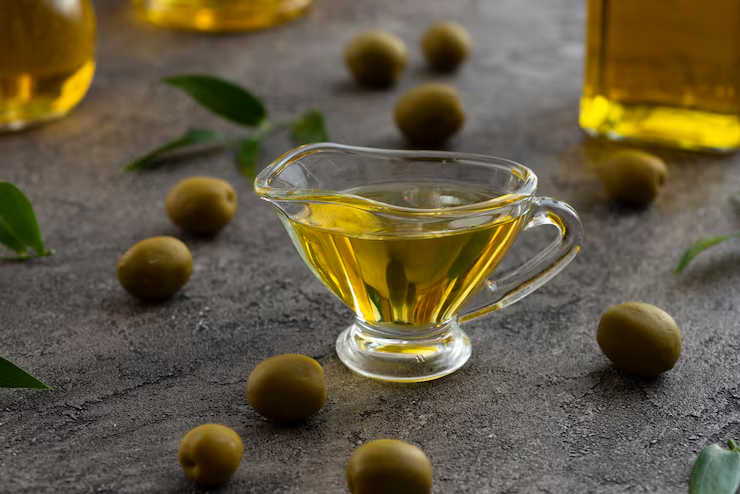
For anyone navigating prediabetes, type 2 diabetes, or everyday energy crashes, carbohydrate intake often feels like a dietary tightrope walk. A plate of pasta, a bowl of white rice, or a slice of fresh bread typically triggers a rapid spike in blood glucose, followed by a surge of pancreatic insulin and a predictable mid-afternoon energy slump.
While conventional advice focuses on cutting carbs entirely or swapping them for low-glycemic alternatives, a landmark scientific study points toward a simpler, highly effective strategy: meal sequencing.
In a series of controlled metabolic experiments, scientists fed mice a small dose of extra virgin olive oil immediately before giving them a refined carbohydrate meal. The results were striking. Pre-loading healthy fats fundamentally altered the postprandial (post-meal) blood sugar curve, blunting glucose spikes, dampening insulin surges, and delaying gastric emptying.
This discovery highlights a key principle of metabolic health: what you eat matters, but the order in which you eat your food can change how your body processes every single calorie.
Complete SEO & Search Keywords Overview
For clinical dietitians, metabolic health enthusiasts, biohackers, and individuals managing blood sugar, this article incorporates primary search terms and metabolic concepts:
- Primary SEO Keywords:olive oil before carbs blood sugar study, meal sequencing for glucose control, pre meal olive oil diabetes, extra virgin olive oil postprandial glucose, blunting blood sugar spikes with fat.
- Secondary SEO Keywords:delayed gastric emptying GLP-1 olive oil, oleic acid gut peptide release, glycemic control without eliminating carbs, healthy fats before meals tips, metabolic health food order strategy.
The Biological Mechanism: How Olive Oil Alters Carbohydrate Digestion
Why does consuming a tablespoon of extra virgin olive oil before carbohydrates produce such a profound shift in blood sugar dynamics? The answer lies in gastrointestinal hormone signaling and physical motility.
[ Pre-Meal Extra Virgin Olive Oil ]
│
▼
[ High Oleic Acid Content Enters Duodenum / Small Intestine ]
│
┌─────────────────────────────────┴─────────────────────────────────┐
▼ ▼
[ Physical & Motility Effects ] [ Enteroendocrine Hormone Release ]
- Triggers pyloric sphincter contraction • Stimulates CCK (cholecystokinin)
- Slows gastric emptying rate • Promotes natural GLP-1 & PYY secretion
- Converts carbohydrate rush into a slow drip • Enhances peripheral tissue insulin sensitivity
- Slowing the Gastric Emptying Rate
When refined carbohydrates enter an empty stomach, they are rapidly broken down and passed through the pyloric sphincter into the small intestine, where glucose is quickly absorbed into the bloodstream.
However, when healthy lipids—specifically the monounsaturated fats found in extra virgin olive oil—enter the duodenum, they trigger a reflex that constricts the pyloric sphincter. This slows down the rate at which the stomach empties its contents into the small intestine. Instead of a sudden wave of glucose hitting the bloodstream all at once, the stomach releases digested carbohydrates at a slow, manageable pace.
- Endogenous GLP-1 and CCK Stimulation
Fats are powerful triggers for enteroendocrine cells located throughout the intestinal lining:
- Cholecystokinin (CCK):Released in response to dietary fats, CCK signals the stomach to slow motility and sends satiety signals to the brain.
- Glucagon-Like Peptide-1 (GLP-1):Oleic acid (the primary fatty acid in olive oil) stimulates L-cells in the distal gut to secrete native GLP-1. This natural hormone enhances glucose-dependent insulin release from the pancreas while suppressing excess glucagon secretion, keeping post-meal blood sugar levels stable.
Study Highlights: Pre-Meal Olive Oil vs. Fasted Carbohydrate Consumption
In the study, researchers compared glucose and insulin metrics across different feeding sequences. The contrast between consuming carbs alone versus consuming them after a healthy fat pre-load demonstrates the clear impact of meal sequencing:
| Physiological Parameter | Carbohydrates Alone (Fasted State) | Olive Oil Consumed 15–20 Mins Before Carbs | Metabolic & Clinical Outcome |
| Peak Postprandial Glucose | High, sharp glucose spike within 30 minutes. | Significantly blunted peak glucose levels. | Prevents glycemic volatility and microvascular damage. |
| Total Insulin Requirement | Large, sudden pancreatic insulin surge. | Reduced, steady insulin output. | Protects pancreatic beta cells and prevents reactive hypoglycemia. |
| Gastric Transit Time | Rapid stomach emptying into small intestine. | Delayed gastric emptying by up to $30\text{–}50\%$. | Extends feelings of fullness and delays hunger signals. |
| Late Postprandial Energy | Severe energy crash following the insulin peak. | Sustained energy curve without a sharp crash. | Sustains mental clarity and prevents mid-afternoon fatigue. |
From Mouse Models to Human Physiology: The Power of Meal Sequencing
While this specific study evaluated rodent models under strict laboratory conditions, the physiological mechanisms—delayed gastric emptying, gut hormone stimulation, and altered glucose absorption—map directly onto human gastrointestinal biology.
In fact, human clinical trials investigating the “Food First, Carbs Last” framework show similar benefits:
[ Traditional Meal Order ] ──► Carbs First ──► Rapid Glucose Spike ──► Massive Insulin Surge ──► Energy Crash
[ Optimized Meal Order ] ──► Fat/Fiber/Protein ──► Gentle Glucose Curve ──► Minimal Insulin Load ──► Sustained Energy
By changing the order in which food enters your digestive tract, you can enjoy carbohydrate-rich meals while minimizing their impact on your blood sugar.
Scientific Tips: How to Implement the Pre-Meal Olive Oil Protocol
To translate these scientific insights into your daily routine, follow these practical, evidence-based recommendations:
[ The Pre-Meal Olive Oil Protocol ]
│
┌──────────────────────────────┼──────────────────────────────┐
▼ ▼ ▼
[ Target Timing ] [ Ideal Dosage ] [ Oil Quality Matters ]
Consume 15–20 minutes before 1 tbsp (15 ml) of extra Choose cold-pressed EVOO
a high-carb meal. virgin olive oil. rich in polyphenols.
- Timing Is Key
The protective effect of olive oil requires roughly 15 to 20 minutes to register in the small intestine and trigger gut hormone release. Drinking or drizzling your olive oil right before your first bite of carbohydrates helps, but giving it a short head start maximizes its ability to slow gastric emptying.
- Choose Cold-Pressed Extra Virgin Olive Oil (EVOO)
Not all olive oils are created equal. Opt for extra virgin, cold-pressed olive oil, which retains high concentrations of bioactive polyphenols (such as oleocanthal and hydroxytyrosol). These antioxidants protect against tissue inflammation, improve endothelial function, and support vascular health alongside oleic acid.
- Pair Olive Oil with Prebiotic Fiber
For an even stronger metabolic cushion, combine your pre-meal olive oil with a source of dietary fiber:
- Enjoy a small side salad of bitter greens (arugula, spinach) tossed in 1 tablespoon of EVOO and apple cider vinegar before eating your main carbohydrate dish.
- Dip fresh raw vegetables (bell peppers, cucumbers) in EVOO and sea salt 15 minutes before lunch or dinner.
Healthy Tips: Broadening Your Meal Sequencing Strategy
While olive oil is a remarkably effective pre-load, you can apply the underlying science of meal sequencing to every meal throughout the day:
- Follow the “Fat, Fiber & Protein First” Rule
When sitting down to a meal containing mixed macronutrients, structure the order in which you eat each component:
- First:Eat your non-starchy vegetables and greens (fiber).
- Second:Eat your healthy fats and protein sources (olive oil, salmon, eggs, poultry, tofu).
- Last:Consume your complex or refined carbohydrates (rice, potatoes, pasta, bread).
- Practice Mindful Portion Balance
While extra virgin olive oil offers outstanding metabolic and cardiovascular benefits, it remains energy-dense ($\sim 120\text{ calories}$ per tablespoon). You do not need to consume massive quantities—a single tablespoon ($15\text{ mL}$) prior to a carbohydrate-rich meal provides enough lipid signaling to blunt glucose spikes without adding unnecessary calories.
- Combine with a Post-Meal Walk
To further optimize your blood sugar response, pair your pre-meal sequencing with light physical activity after eating. Taking a 10-minute walk within 30 minutes of finishing your meal engages skeletal muscle contractions, drawing glucose out of circulation without relying heavily on insulin.
A Simple Strategy for Lifelong Metabolic Health
The discovery that consuming olive oil prior to carbohydrates dramatically alters postprandial blood sugar demonstrates a crucial truth: effective metabolic care does not always require extreme dietary restrictions.
By using extra virgin olive oil as a functional pre-meal food, you can harness your body’s natural digestive physiology to blunt glycemic spikes, reduce insulin strain, and enjoy steady, sustained energy throughout the day.