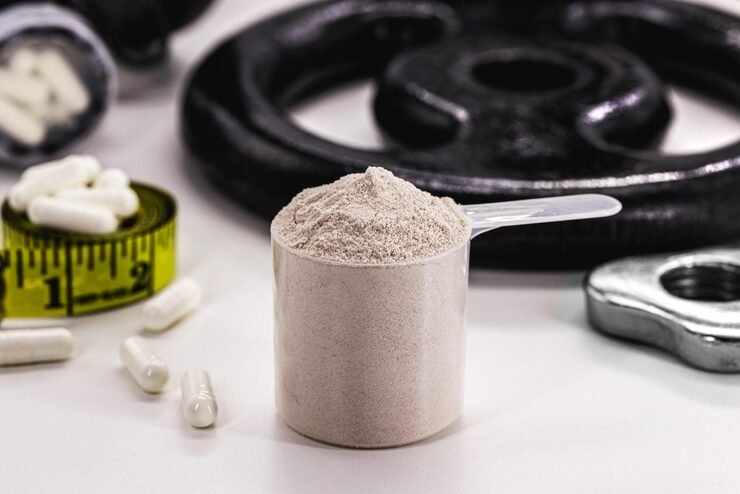
When you walk into a fitness store or browse sports nutrition sites, creatine monohydrate is almost universally advertised as a tool for muscle size, explosive bench press performance, and sprinting power. Millions of athletes and fitness enthusiasts scoop this well-studied compound into their post-workout shakes every day to replenish adenosine triphosphate (ATP) in working skeletal muscle.
However, a wave of research in neurobiology and mucosal immunology is recasting this classic gym staple as a potent multi-organ protector.
Scientists have discovered that creatine plays a pivotal role in shielding the brain from gut-driven systemic inflammation.
By strengthening the intestinal mucosal barrier, nourishing intestinal epithelial cells, and preserving the delicate blood-brain barrier (BBB), creatine disrupts the inflammatory chain reaction that links gut dysbiosis to neurodegenerative decline, brain fog, and cognitive fatigue.
Complete SEO & Search Keywords Overview
For sports scientists, gastroenterologists, neurobiology researchers, and health-conscious adults, this article incorporates primary search terms and biological concepts:
- Primary SEO Keywords:creatine for gut inflammation, workout supplement protects brain, gut brain axis creatine monohydrate, leaky gut neuro-inflammation protection, creatine epithelial bioenergetics.
- Secondary SEO Keywords:intestinal mucosal barrier ATP, creatine blood brain barrier, gut microbial dysbiosis cognitive fatigue, supplement for gut and brain health, preventive neuroprotection tips.
The Gut-Brain Axis: How Intestinal Inflammation Reaches the Brain
To appreciate how a fitness supplement can safeguard cognitive function, we must first trace the pathological pathway connecting a compromised gut lining to central nervous system inflammation.
[ Intestinal Mucosal Barrier Breakdown ]
│
▼
[ Lipopolysaccharide (LPS) Leakage into Bloodstream ]
│
▼
[ Systemic Low-Grade Inflammatory Cascade ]
│
▼
[ Disruption of Tight Junctions in Blood-Brain Barrier ]
│
▼
[ Microglial Activation & Central Neuro-Inflammation ]
- The Intestinal Epithelium: Your Internal Frontier
The lining of your gastrointestinal tract consists of a single layer of intestinal epithelial cells (IECs) fused together by specialized protein complexes called tight junctions (including claudins, occludins, and zonula occludens). This thin barrier must absorb essential nutrients while keeping billions of bacteria, metabolic waste products, and endotoxins safely locked inside the gut lumen.
- Leaky Gut and Endotoxemia
When the gut barrier degrades due to poor diet, chronic stress, or microbial dysbiosis, bacterial components—most notably lipopolysaccharides (LPS)—seep through the porous intestinal wall into systemic circulation. This condition, known as metabolic endotoxemia, triggers systemic immune activation.
- Crossing the Blood-Brain Barrier
Circulating inflammatory cytokines (such as TNF-alpha, IL-1 beta, and IL-6) and LPS travel through the vascular system to the blood-brain barrier (BBB). Over time, chronic inflammatory signaling weakens BBB tight junctions, allowing toxic factors to penetrate brain parenchyma. This activates resident immune cells in the brain (microglia), resulting in neuro-inflammation, impaired synaptic plasticity, memory decline, and mental fatigue.
The Bioenergetic Solution: How Creatine Fortifies Cellular Barriers
Why does creatine—a simple nitrogenous organic acid—exert such a profound protective effect along the gut-brain axis? The key lies in cellular bioenergetics.
Maintaining tight junction integrity requires an immense amount of cellular energy (ATP). Intestinal epithelial cells and brain endothelial cells are constantly working to pump ions, repair cell membranes, and hold structural protein bridges tight against mechanical and chemical stress.
[ Intestinal Epithelial Cells (IECs) ]
│
▼
[ High Energy Demand to Maintain Tight Junctions ]
│
▼
[ Creatine Kinase (CK) & Phosphocreatine System ]
│
▼
[ Rapid Local ATP Regeneration Under Inflammatory Stress ]
│
▼
[ Preserved Barrier Function & Blocked Endotoxin Translocation ]
- Fueling the Creatine Kinase Engine in the Gut
Intestinal epithelial cells express high levels of the enzyme Creatine Kinase (CK). When inflammation threatens the gut lining, ATP levels rapidly drop. Creatine supplementation expands the pool of intracellular phosphocreatine, providing a rapid buffer to regenerate ATP without relying on slower oxidative phosphorylation.
Equipped with continuous ATP, gut mucosal cells can repair tissue damage, produce protective mucin layers, and maintain tight junction proteins even when faced with inflammatory challenges.
- Reinforcing the Blood-Brain Barrier
Creatine easily crosses the blood-brain barrier via specialized SLC6A8 transporters. Once inside brain tissue, it fuels microvascular endothelial cells and astrocytes, stabilizing the blood-brain barrier from the inside. By preventing gut-derived inflammatory cytokines from penetrating the brain, creatine stops microglial overactivation at the source.
Comparative Breakdown: Creatine Beyond Muscle Performance
| Biological Domain | Conventional Fitness View | Neuro-Gastroenterology Science View | Clinical & Preventive Benefit |
| Primary Target Tissue | Skeletal muscle fibers (Type II fast-twitch). | Intestinal epithelial cells, brain endothelial cells, astrocytes. | Dual-action protection for physical strength and neural resilience. |
| Energetic Role | Buffers ATP during high-intensity weightlifting. | Buffers ATP to maintain tight junctions during stress. | Prevents barrier failure, systemic inflammation, and cell death. |
| Systemic Impact | Increased muscle power and water retention in muscle. | Reduced circulating endotoxins (LPS) and cytokines. | Lowered risk of gut-driven brain fog and cognitive decline. |
| Optimal Daily Use | $3\text{–}5\text{ g/day}$ post-workout for hypertrophy. | $3\text{–}5\text{ g/day}$ consistent daily dosing for mucosal/neural health. | Long-term support for healthy cognitive aging and gut integrity. |
Scientific Tips: Optimizing Creatine for Brain and Gut Health
If you want to leverage creatine monohydrate for its gut-brain benefits rather than purely for athletic performance, follow these evidence-based usage strategies:
[ Gut-Brain Creatine Protocol ]
│
┌──────────────────────────┼──────────────────────────┐
▼ ▼ ▼
[ Pure Monohydrate ] [ Consistent Daily Dose ] [ Pair with Prebiotics ]
Select micronized 3–5 grams daily without Combine with soluble fiber
Creapure® powder. needing a loading phase. to feed gut microbes.
- Choose Pure Creatine Monohydrate
Skip overly complex, expensive creatine variants (such as creatine ethyl ester or liquid creatine formulations). Standard creatine monohydrate—especially micronized forms like Creapure®—has the highest concentration of clinical research demonstrating excellent bioavailability, safety, and gastrointestinal tolerance.
- Dosing Strategy: Slow and Steady
While fitness bodybuilders often perform a “loading phase” ($20\text{ grams}$ per day for 5 days), high acute doses can sometimes cause mild stomach upset in sensitive individuals. For long-term gut lining support and neuroprotection, a steady daily dose of 3 to 5 grams is highly effective and builds full tissue saturation within 3 to 4 weeks without digestive discomfort.
- Combine with Gut-Supportive Prebiotic Fibers
Enhance creatine’s gut-protective benefits by pairing your daily scoop with prebiotic-rich foods or soluble fiber (such as acacia fiber, psyllium husk, or oat beta-glucan). While creatine provides metabolic energy directly to host epithelial cells, prebiotic fibers feed beneficial bacteria that produce Short-Chain Fatty Acids (SCFAs) like butyrate, creating a comprehensive defense for the gut lining.
Healthy Tips: Complementary Habits to Tame Gut-Brain Inflammation
Maximizing the gut-brain protective axis requires a holistically supportive lifestyle. Pair your creatine supplementation with these daily health practices:
- Minimize Intestinal Barrier Disruptors
- Moderate Alcohol Intake:Alcohol and its metabolite, acetaldehyde, directly disrupt tight junction proteins in the intestinal wall, dramatically increasing gut permeability.
- Avoid Unnecessary NSAID Use:Frequent over-the-counter use of non-steroidal anti-inflammatory drugs (like ibuprofen) inhibits protective prostaglandins in the stomach, eroding the mucosal lining.
- Prioritize Deep Circadian Sleep
Your gut lining undergoes significant cellular repair and tight junction restoration during deep Non-Rapid Eye Movement (NREM) sleep. Maintaining a consistent sleep schedule of 7 to 8 hours per night ensures your gastrointestinal mucosal barrier stays strong and resilient.
- Practice Anti-Inflammatory Dietary Habits
Incorporate foods rich in polyphenols (wild blueberries, green tea, dark cocoa) and omega-3 fatty acids (wild salmon, chia seeds, walnuts). These dietary compounds work alongside creatine to suppress inflammatory signaling pathways (such as NF-kB) throughout both the digestive tract and central nervous system.
A New Chapter for a Classic Supplement
The discovery that creatine protects the brain by fortifying the gut barrier represents an exciting shift in nutritional science. No longer just a workout powder for muscle growth, creatine stands out as a versatile, bioenergetic compound that supports your gut, fuels your cells, and protects your long-term brain health.