Decoding the Silent Genome: How Precise Phenotyping Revolutionizes Genetic Prediction in Sensorineural Hearing Loss
Medical illustration of the inner ear cochlea and auditory hair cells showing structures involved in sensorineural hearing loss and genetic research.

Sensorineural hearing loss (SNHL) is one of the most prevalent sensory deficits worldwide, affecting hundreds of millions of individuals across all age groups. Caused by structural or functional impairment of the inner ear’s delicate hair cells, the auditory nerve, or central auditory processing pathways, SNHL presents a profound biological and clinical challenge. While genetic mutations … Read more


The Science of Food Persuasion: Why Nagging Backfires and What Actually Inspires Healthy Eating

Family enjoying a balanced meal with fresh vegetables and healthy foods in a positive, pressure-free eating environment.

Whether it originates from a well-meaning parent, a concerned partner, or a public health campaign, nagging about food is a universal experience. We have all heard the persistent reminders: “Finish your broccoli,” “Are you really going to eat that second slice of pizza?”, or “You need to cut out carbs.”  Despite good intentions, behavioral psychology and … Read more

Beyond the Conspiracy: Why the Israeli mRNA Plague Vaccine Development Had Zero Connection to the Russian Lab Worker’s Death

Scientific illustration of Yersinia pestis bacteria for an article about plague vaccine research.

In the age of hyper-connected social media, public health events and scientific breakthroughs are frequently woven together into intricate online narratives. A prominent rumor circulated across digital platforms alleging that the development of an advanced mRNA plague vaccine by Israeli researchers was suspiciously timed to coincide with the death of a laboratory worker at a … Read more

The Silent Threat in the Supply: How Medetomidine is Altering Scotland’s Street Drug Landscape

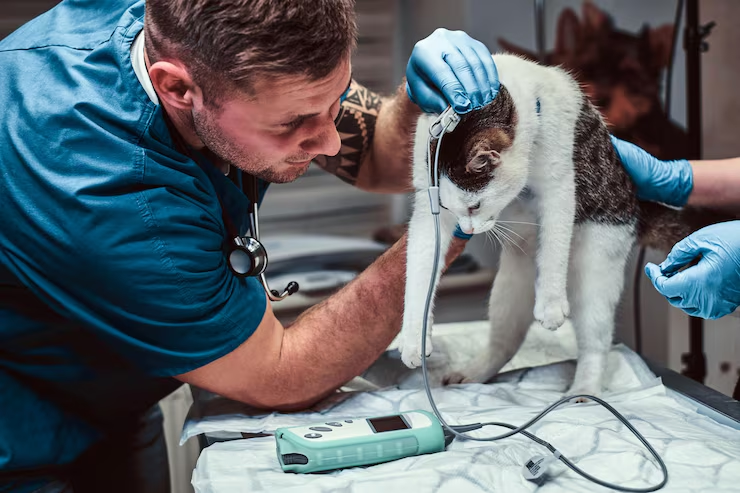
Medetomidine drug contamination and overdose risks highlighting naloxone response and emergency medical care.

Across Europe and North America, public health surveillance systems are monitoring a troubling shift in the illicit drug market. In Scotland, a synthetic veterinary sedative known as medetomidine has emerged as a major contaminant in street drugs. Originally formulated strictly for veterinary medicine to sedate animals such as cats, dogs, and horses, medetomidine is increasingly being … Read more

Unpacking the “Monster” Pill: What High-Dose Aspirin and Psychological Reliance Reveal About Cardiovascular and Mental Health

Aspirin tablets illustrating medication safety, dosage risks and cardiovascular health in older adults.

During a public rally in Ohio, former U.S. President Donald Trump addressed ongoing health speculation by making a surprising disclosure about his daily medication routine. Disregarding recommendations from medical staff to take a standard low-dose regimen, Trump disclosed that he insists on taking high-dose Bayer aspirin (325 mg to 386 mg daily)—a pill he characterized … Read more

Precision at the Molecular Level: How GE HealthCare’s $945 Million Acquisition of SOFIE Biosciences Reshapes Medical Imaging and Theranostics

US medical device manufacturing facility producing sterile syringes and needles to strengthen healthcare supply chain resilience.

In a transformative move for the molecular imaging industry, GE HealthCare announced a definitive all-cash agreement to acquire SOFIE Biosciences from Trilantic North America for $945 million. This strategic acquisition secures a vital U.S. manufacturing footprint for Positron Emission Tomography (PET) radiopharmaceuticals, expanding GE HealthCare’s Pharmaceutical Diagnostics (PDx) segment and reinforcing its leadership in precision … Read more

Reshoring the Syringe: How Trade Tariffs, Medical Device Supply Chains, and Domestic Manufacturing Impact Healthcare Quality and Patient Safety

Medical device manufacturing in the USA highlighting syringe production and healthcare supply chain resilience.

President Donald J. Trump sparked widespread discussion across economic, political, and medical sectors by asserting that medical technology giant Becton, Dickinson and Company (BD) agreed to invest $3 billion in U.S. manufacturing—including over $1 billion earmarked for facilities in Nebraska—specifically in response to upcoming, aggressive import tariffs on medical devices scheduled for implementation by the … Read more

The 10-Year Tipping Point: How Type 2 Diabetes Accelerates Heart Failure and Kidney Disease—and How to Protect Yourself

Type 2 diabetes complications affecting the heart and kidneys and highlighting cardiorenal health risks.

Receiving a diagnosis of type 2 diabetes often feels like managing a single health metric: blood glucose. Many patients focus exclusively on daily finger pricks, fasting blood sugar numbers, and maintaining an acceptable Hemoglobin A1c (HbA1c). However, long-term clinical observational data underscores a sobering reality. Within ten years of a type 2 diabetes diagnosis, a … Read more

Beyond the Mutation: Why Cells Respond Differently to the Same Cancer-Causing Gene

Oncogene activation and DNA mutations showing how different cells respond to cancer-causing genes

Every second, trillions of biochemical interactions occur within your body to maintain a state of equilibrium known as homeostasis. Underneath this quiet harmony lies a complex system of genetic instructions. Occasionally, a key gene undergoes a mutation, transforming from a benevolent biological instruction into an oncogene—a potential catalyst for cancer. When an oncogene such as … Read more