Across Europe and North America, public health surveillance systems are monitoring a troubling shift in the illicit drug market. In Scotland, a synthetic veterinary sedative known as medetomidine has emerged as a major contaminant in street drugs.
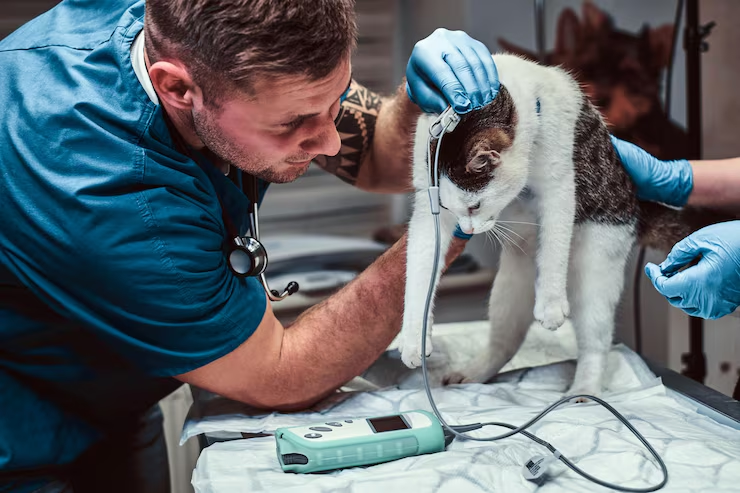
Originally formulated strictly for veterinary medicine to sedate animals such as cats, dogs, and horses, medetomidine is increasingly being mixed into street heroin, fake benzodiazepine tablets (street “fake blue pills”), and synthetic opioid supplies.
Because medetomidine is not an opioid, standard overdose-reversing medications like naloxone do not directly reverse its sedating effects. Understanding the pharmacology of this powerful compound, its physiological risks, and evidence-based harm reduction strategies is essential for protecting community health and saving lives.
Complete SEO & Search Keywords Overview
To support harm reduction workers, medical professionals, emergency responders, and concerned community members, this article incorporates key search terms and pharmacological concepts:
- Primary SEO Keywords: Medetomidine street drugs Scotland, veterinary tranquilizers illicit drug supply, medetomidine vs xylazine potency, non-opioid sedative overdose, Scotland RADAR drug alert.
- Secondary SEO Keywords: alpha-2 adrenergic agonist pharmacology, naloxone for contaminated heroin, severe bradycardia street drugs, harm reduction drug testing kits, wound care sedatives.
What is Medetomidine? The Science Behind the Sedative
Medetomidine belongs to a class of compounds called alpha-2 ($\alpha_2$) adrenergic receptor agonists. In veterinary practice, it acts on central nervous system receptors to suppress the release of norepinephrine—the neurotransmitter responsible for alertness, heart rate regulation, and the body’s “fight-or-flight” response.
[ Central Alpha-2 Receptor Activation ]
│
▼
[ Rapid Suppression of Norepinephrine Release ]
│
┌────────────────────────────┴────────────────────────────┐
▼ ▼
[ Severe Central Nervous System Depression ] [ Peripheral Cardiovascular Suppression ]
• Deep, prolonged unconsciousness • Profound bradycardia (slow heart rate)
• Loss of airway protective reflexes • Severe hypotension (low blood pressure)
Medetomidine vs. Xylazine: A Step Up in Potency
While media attention has historically focused on xylazine (commonly known as “tranq”), medetomidine represents a far more potent threat:
- Significantly Higher Binding Affinity: Medetomidine binds to $\alpha_2$-adrenergic receptors with substantially higher affinity and selectivity than xylazine.
- Extreme Potency: Microscopic amounts can induce profound, hours-long sedation, severe bradycardia (dangerously low heart rate), and severe hypotension (drop in blood pressure).
- Hidden Adulteration: Because it is effective in minute doses, drug traffickers use medetomidine as a cheap bulk adulterant to artificially extend the perceived strength and duration of weak opioid or benzodiazepine batches.
Physiological Risks and Clinical Challenges
The presence of medetomidine in street drugs creates unique clinical complications for emergency responders and healthcare providers.
| Physiological System | Clinical Impact of Medetomidine | Risk Factor / Complication |
| Cardiovascular | Induces severe bradycardia (heart rate dipping below 40 bpm) and hypotension. | High risk of cardiac arrest, poor organ perfusion, and vascular collapse. |
| Respiratory | Suppresses central respiratory drive, particularly when mixed with opioids. | Respiratory depression, hypoxic brain injury, and positional asphyxiation. |
| Neurological | Causes prolonged, heavy sedation lasting many hours. | Unresponsiveness, delayed recovery, and vulnerability to hypothermia or physical trauma. |
| Dermatological | Peripheral vasoconstriction reduces blood flow to peripheral tissues. | Severe skin ulcers, necrotic wounds, and secondary soft-tissue infections. |
The Naloxone Paradox
A critical challenge during an overdose involving medetomidine is that naloxone only targets opioid receptors.
If a person takes heroin contaminated with medetomidine, naloxone will successfully detach the opioid from brain receptors to restore automatic breathing. However, the person may remain completely unresponsive due to the non-opioid sedative effects of medetomidine. This creates a false impression that the naloxone has failed, requiring continuous monitoring and airway support.
Scientific Tips: Emergency Overdose Response Protocol
When responding to an overdose where medetomidine or other veterinary sedatives may be involved, follow these vital steps:
[ Suspected Overdose / Unresponsive Person ]
│
▼
[ 1. Call Emergency Services Immediately (999) ]
│
▼
[ 2. Administer Naloxone (Repeat as Directed) ]
│
▼
[ 3. Clear Airway & Provide Rescue Breathing ]
│
▼
[ 4. Place in Recovery Position & Monitor Continuously ]
- Always Administer Naloxone First: Even if medetomidine is present, opioids are almost always part of the mixture. Naloxone remains the primary lifesaving intervention to restore breathing.
- Support the Airway: If the person remains unresponsive but is breathing, place them in the recovery position (on their side with their head tilted back) to keep their airway clear and prevent aspiration.
- Provide Rescue Breathing: If breathing is shallow, slow, or absent, perform rescue breathing or use a bag-valve-mask if trained to deliver oxygen to vital organs.
- Do Not Leave the Person Unattended: Because medetomidine levels in the bloodstream fluctuate over hours, a person may temporarily wake up and then slip back into heavy sedation. Stay with them until emergency services arrive.
Healthy Tips: Community Harm Reduction and Personal Safety
For individuals, families, and community workers navigating risks associated with contaminated street supplies, adopting evidence-based harm reduction practices saves lives.
1. Adopt Essential Harm Reduction Practices
- Never Use Alone: Ensure someone is present who is sober, trained in CPR, and equipped with multiple naloxone kits.
- Test a Small Amount First (“Test Dosing”): When using a new or unfamiliar batch, take a significantly smaller test dose and wait to observe its effects before taking more.
- Avoid Polysubstance Use: Combining street opioids with alcohol, prescription benzodiazepines, or other sedatives exponentially increases the risk of fatal cardiac and respiratory arrest.
- Carry Extra Naloxone: Keep multiple doses of nasal or injectable naloxone readily available at home, in your car, or in your bag.
2. Practice Diligent Wound Care
Because $\alpha_2$-agonists reduce peripheral blood supply, minor skin breaks can rapidly turn into deep ulcers.
- Wash any skin breaks, injection sites, or minor abrasions immediately with clean water and mild soap.
- Keep wounds covered with clean, sterile dressings, and seek prompt medical attention at the first sign of redness, heat, swelling, or localized pain.
3. Support Community Awareness and Drug Checking
Public health initiatives like Scotland’s Rapid Action Drug Alerts and Response (RADAR) system rely on community reporting to track dangerous new substances. Utilizing community drug testing services and staying informed about local public health alerts helps protect the wider community.
Building Resilient Public Health Responses
The emergence of medetomidine in Scotland’s street drugs underscores how rapidly illicit supply chains can evolve. Addressing this challenge requires an integrated approach that combines swift toxicological surveillance, widespread naloxone distribution, proactive wound care, and compassionate community harm reduction.
By staying informed about emerging non-opioid sedatives and practicing evidence-based emergency responses, communities can effectively protect lives and mitigate the harms of adulterated street drugs.