Precision at the Molecular Level: How GE HealthCare’s $945 Million Acquisition of SOFIE Biosciences Reshapes Medical Imaging and Theranostics

US medical device manufacturing facility producing sterile syringes and needles to strengthen healthcare supply chain resilience.

In a transformative move for the molecular imaging industry, GE HealthCare announced a definitive all-cash agreement to acquire SOFIE Biosciences from Trilantic North America for $945 million. This strategic acquisition secures a vital U.S. manufacturing footprint for Positron Emission Tomography (PET) radiopharmaceuticals, expanding GE HealthCare’s Pharmaceutical Diagnostics (PDx) segment and reinforcing its leadership in precision … Read more

Reshoring the Syringe: How Trade Tariffs, Medical Device Supply Chains, and Domestic Manufacturing Impact Healthcare Quality and Patient Safety

Medical device manufacturing in the USA highlighting syringe production and healthcare supply chain resilience.

President Donald J. Trump sparked widespread discussion across economic, political, and medical sectors by asserting that medical technology giant Becton, Dickinson and Company (BD) agreed to invest $3 billion in U.S. manufacturing—including over $1 billion earmarked for facilities in Nebraska—specifically in response to upcoming, aggressive import tariffs on medical devices scheduled for implementation by the … Read more

The 10-Year Tipping Point: How Type 2 Diabetes Accelerates Heart Failure and Kidney Disease—and How to Protect Yourself

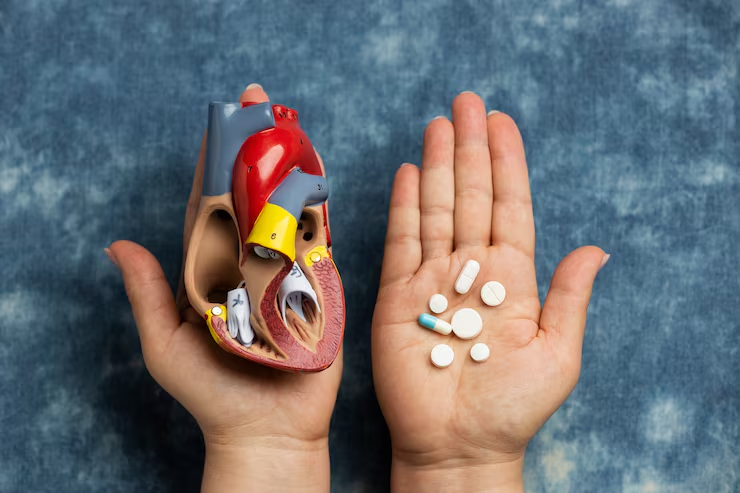
Type 2 diabetes complications affecting the heart and kidneys and highlighting cardiorenal health risks.

Receiving a diagnosis of type 2 diabetes often feels like managing a single health metric: blood glucose. Many patients focus exclusively on daily finger pricks, fasting blood sugar numbers, and maintaining an acceptable Hemoglobin A1c (HbA1c). However, long-term clinical observational data underscores a sobering reality. Within ten years of a type 2 diabetes diagnosis, a … Read more

Beyond the Mutation: Why Cells Respond Differently to the Same Cancer-Causing Gene

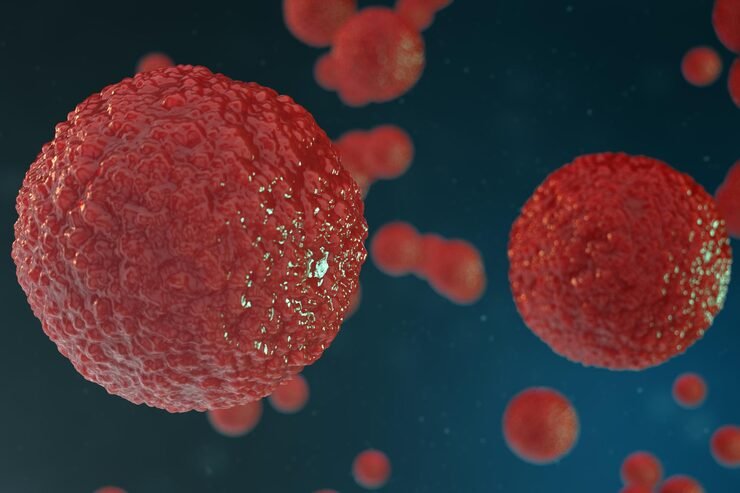
Oncogene activation and DNA mutations showing how different cells respond to cancer-causing genes

Every second, trillions of biochemical interactions occur within your body to maintain a state of equilibrium known as homeostasis. Underneath this quiet harmony lies a complex system of genetic instructions. Occasionally, a key gene undergoes a mutation, transforming from a benevolent biological instruction into an oncogene—a potential catalyst for cancer. When an oncogene such as … Read more