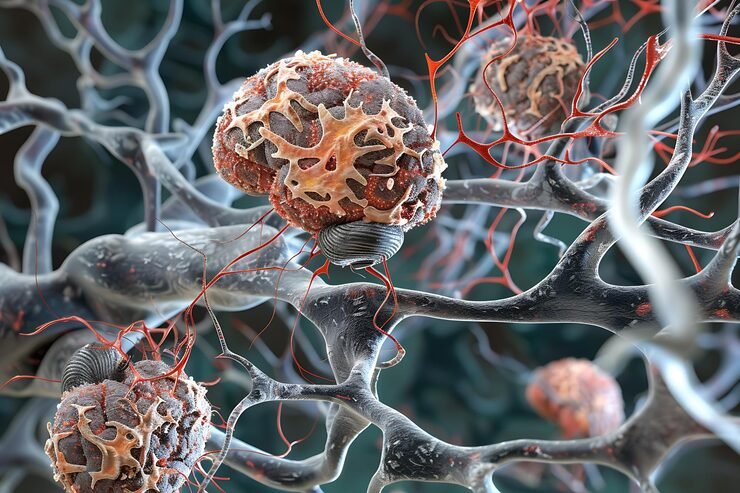
In the long-standing medical consensus surrounding oncology, fluid pressure inside a solid tumor was universally viewed as a dangerous adversary. Known as elevated interstitial fluid pressure (IFP), this mechanical force was historically linked to therapeutic resistance: high internal pressure pushed chemotherapy drugs away, compressed surrounding blood vessels, starved tissues of oxygen, and encouraged malignant cells to migrate into the bloodstream.
However, a landmark biophysical discovery published by an international team of mechanobiologists and cancer researchers has inverted this paradigm.
Researchers have discovered that extreme mechanical compression generated inside a growing tumor can actually trigger an intrinsic self-destruction mechanism within cancer cells, slowing down their ability to metastasize.
This unexpected finding highlights the role of physical forces in cellular biology. By proving that mechanical stress can force cancer cells into programmed cell death (apoptosis) and impair their invasive machinery, scientists have unlocked a novel biophysical target for future cancer therapeutics.
Mechanobiology Unveiled: How Physical Pressure Crushes Cancer
To understand why this discovery is so unexpected, we must contrast traditional biochemical models of cancer growth with newly mapped mechanobiological pathways:
[ Solid Tumor Proliferation in Confined Space ]
│
▼
[ Accumulation of Internal Physical Pressure ]
│
┌───────────────────────────────────┴───────────────────────────────────┐
▼ ▼
- Historical View: Therapeutic Obstacle
- Compresses local blood vessels
- Limits chemotherapy drug delivery
- Drives hypoxic, aggressive cell states
- New Discovery: Mechanogenic Collapse
- Mechanosensitive ion channels (Piezo1) open
- Nuclear envelope stretches & ruptures
- Triggers intrinsic apoptotic self-destruction
1. The Classical Paradigm: Pressure as a Resistance Factor
Historically, as cancer cells multiply inside a dense extracellular matrix (ECM), they create a high-pressure environment. This interstitial pressure compresses nearby lymphatic and capillary networks, making it difficult for intravenously administered chemotherapy to reach the core of the tumor mass.
2. The Biomechanical Reality: The Pressure Tipping Point
The new research demonstrates that when internal mechanical pressure reaches a specific critical threshold, the physical compression alters the structural integrity of the cancer cell itself.
Rather than adapting indefinitely, compressed cancer cells undergo severe physical deformation. Their outer membranes stretch, mechanosensitive ion channels (such as Piezo1) are forced open, and the protective nuclear envelope surrounding their DNA ruptures. This structural collapse releases nuclear contents into the cytoplasm, triggering intrinsic caspase-dependent apoptosis—forcing the cancer cell to self-destruct from within.
Halting the Spread: How Mechanical Stress Prevents Metastasis
Metastasis—the migration of cancer cells from the primary tumor through the bloodstream to distant organs—is responsible for approximately 90% of cancer-related mortalities. The discovery that tumor pressure can impair metastatic capability fundamentally changes our understanding of cancer dissemination.
[ Mechanical Pressure Spike ]
│
┌────────────────────────────┴────────────────────────────┐
▼ ▼
- Impaired InvadopodiaPhysical stress dismantles the actin-rich projections used by cancer cells to bore through surrounding tissue.
- Nuclear Damage & ArrestExtreme compression breaks DNA, leaving cells too structurally damaged to survive circulation.
1. Disruption of Invadopodia
To escape a primary site, cancer cells form specialized, foot-like membrane protrusions called invadopodia, which secrete enzymes to degrade the surrounding tissue matrix. High mechanical compression dismantles these actin-rich invadopodia, effectively trapping the cancer cells within the primary tumor core.
2. Selective Destruction of Highly Invasive Subpopulations
Interestingly, the study revealed that the most aggressive, motile cancer cells are often the most sensitive to mechanical deformation. Because these cells possess flexible cytoskeletons designed for crawling through narrow tissue spaces, extreme physical pressure pushes them past their structural limit, causing nuclear envelope breakdown before they can reach nearby blood vessels.
Comparative Analysis: Biochemical vs. Mechanobiological Cancer Strategies
| Dimension | Classical Biochemical Oncology | Emerging Mechanobiological Oncology |
|---|---|---|
| Primary Target | Receptors, genetic mutations, kinase enzymes. | Cell membrane tension, nuclear envelope integrity, ECM density. |
| Mechanism of Action | Inhibiting chemical growth signals (e.g., anti-VEGF, EGFR inhibitors). | Harnessing physical forces, pressure thresholds, and mechanosensitive ion channels. |
| Impact on Metastasis | Blocks chemical recruitment and angiogenesis. | Mechanically degrades invadopodia and triggers pressure-induced apoptosis. |
| Therapeutic Horizon | Targeted small-molecule drugs and immunotherapies. | Micro-ultrasound wave therapy, physical matrix manipulation, Piezo1 channel agonists. |
Scientific Tips: Translating Mechanobiology into Preventive Health
While clinical applications targeting tumor pressure are being developed in laboratory settings, you can adopt evidence-based practices to support tissue microenvironments, maintain cellular integrity, and optimize systemic health:
[ Microenvironment Support Strategy ]
│
┌──────────────────────────────┼──────────────────────────────┐
▼ ▼ ▼
- Reduce Tissue StiffnessMinimize chronic fibrotic inflammation via anti-inflammatory nutrition.
- Enhance Vascular ElasticityIncorporate nitric oxide-dense foods to support healthy vessel compliance and fluid dynamics.
- Modulate MechanotransductionIncorporate moderate mechanical loading through regular physical exercise.
1. Reduce Chronic Tissue Fibrosis and Stiffness
Chronic inflammation triggers excessive collagen deposition in healthy tissues, creating stiff, fibrotic environments that facilitate abnormal cell growth:
- Incorporate Anti-Inflammatory Compounds: Consume foods rich in curcumin, epigallocatechin gallate (EGCG) from green tea, and resveratrol. These polyphenols down-regulate pro-fibrotic signaling pathways (such as TGF-beta), helping maintain healthy tissue compliance.
- Minimize Processed Glycation End-Products: Avoid diets high in ultra-processed sugars, which cause advanced glycation end-products (AGEs) to cross-link collagen fibers, making connective tissues pathologically stiff.
2. Support Vascular and Endothelial Fluid Dynamics
A healthy circulatory system helps maintain balanced fluid movement between blood vessels and surrounding tissues:
- Boost Endothelial Nitric Oxide: Eat nitrate-rich vegetables (such as beets, arugula, and spinach). Nitric oxide improves blood vessel elasticity, preventing localized fluid stagnation and chronic tissue swelling.
3. Leverage Mechanical Loading Through Physical Exercise
Physical exercise exerts mechanical forces—including shear stress and cyclic compression—throughout your tissues. Regular physical activity stimulates cellular waste clearance via the lymphatic system, modulates immune cell infiltration, and helps maintain healthy tissue mechanics.
Healthy Tips: Everyday Habits to Reduce Cancer Risk
Supporting your body’s natural cellular surveillance systems requires a holistic approach to metabolic and immunological wellness:
1. Optimize Metabolic and Insulin Health
Elevated fasting insulin levels and high blood sugar act as growth signals for abnormal cells and increase systemic inflammation.
- Focus on a whole-food diet centered around complex carbohydrates, lean proteins, and healthy fats.
- Incorporate daily post-meal movement—such as a 10-to-15-minute walk after dinner—to enhance peripheral insulin sensitivity and stabilize blood glucose levels.
2. Protect Cellular DNA from Oxidative Stress
Preventing the accumulation of damaged cells reduces the burden on your body’s natural apoptosis pathways:
- Eat a Rainbow of Plant Foods: Consuming diverse colorful vegetables supplies a wide array of antioxidants that neutralize free radicals before they can damage DNA or cell membranes.
- Prioritize Restorative Sleep: During deep sleep, the brain and peripheral tissues activate cellular repair mechanisms, clearing out metabolic waste and supporting immune surveillance.
3. Schedule Regular Preventive Health Screenings
Biomechanical discoveries underscore the importance of early detection. Regular physical exams, routine blood work, and age-appropriate cancer screenings allow medical professionals to identify tissue changes long before advanced tumors develop.
A Paradigm Shift in Cancer Research
The discovery that internal physical pressure can trigger cancer cell self-destruction and slow metastasis marks a novel chapter in mechanobiology. By proving that physical forces shape cellular survival just as profoundly as chemical signals, scientists are unlocking new ways to combat complex diseases.
Understanding these biomechanical principles—and supporting your body’s tissues through an anti-inflammatory, active lifestyle—empowers you to take proactive care of your long-term cellular health.